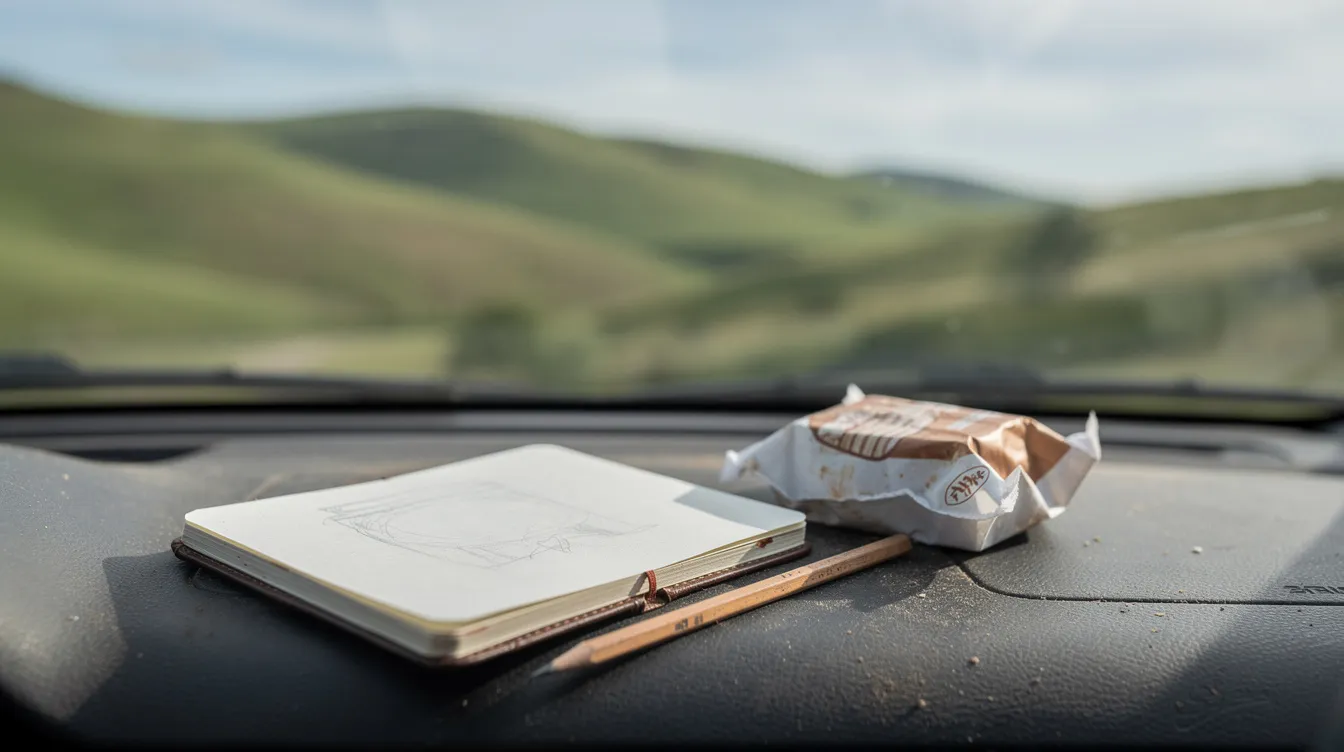
A nature journal is one of those things that sounds fancier than it is. Mine is a battered A5 notebook in my van’s glovebox, and it holds six years of wobbly pencil drawings, weather scribbles, bird tallies and questions I never got around to answering. If you have a notebook and a pencil and ten minutes beside a single plant, bird or patch of sky, you have everything you need to begin.
What Is a Nature Journal, Really?
A nature journal is a place where you combine observations, thoughts and experiences of the natural world using words, pictures and numbers. The modern educator John Muir Laws describes the practice in those three parts, and it stuck with me because it takes the pressure off drawing. You do not need to paint a gallery piece. You write what the weather is doing, sketch an outline, and maybe count how many flowers are open on one stem. Together those three inputs help you notice more than any one of them would alone.
Nature journaling is a blend of science, art and mindfulness, and it acts as a personalized record of place. It serves as a personal dialogue with the outdoors. You do not need to be an artist to enjoy it. The goal is compassionate attention, not perfect art.
Most people picture a nature journal as a beautiful watercolor leaf with tidy lettering. My real pages look nothing like that. A typical one has a wobbly pencil drawing of a tui on a flax stem, the date, the location, “bill dusted with orange pollen, wind from the north-west” and a question mark where the species name should be. That page is honest, and it taught me more than scrolling through someone else’s photographs ever did.
Why I Started Nature Journaling (And Why You Might)
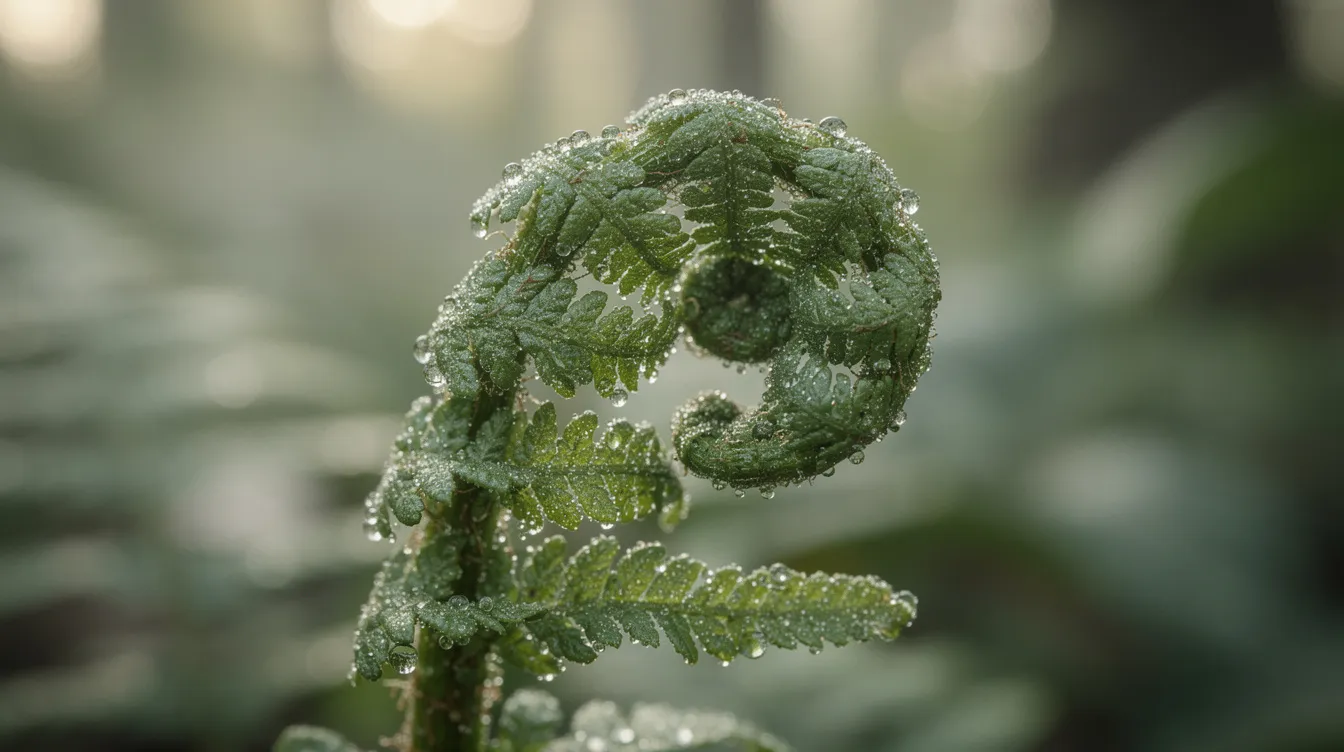
In 2018 I found a shoebox of my grandmother’s pressed ferns. Each one was taped to a card with a date and a place in her small handwriting. On a rainy afternoon near Nelson I sat at the kitchen table and tried to draw one. The drawing was bad, but twenty minutes of looking that hard changed how I saw every roadside bank afterwards.
Copying those fronds into a cheap exercise book became a steady habit on my mail route over six years. Here is what I have noticed along the way:
-
I remember where the first kowhai bloomed each September, because I wrote it down.
-
I notice bird behavior I used to drive straight past, like a pūkeko teaching chicks to cross gravel.
-
I feel calmer after a difficult workday when I spend even five minutes with a pencil and a leaf.
Research shows that regular practice of nature journaling improves mental health and reduces stress. One study found that 71% of participants reported reduced depression after nature walks, and adding a journal magnifies the benefit because it forces you to slow down and focus. Nature journaling enhances observation, curiosity and memory, and it combines art and nature for deeper engagement. Drawing what you see improves memory retention of experiences in ways that simply looking does not.
John Muir wrote that we discover the natural world by paying attention, and I think he was right. People protect what they care about, and caring often begins with slow attention on paper. The practice of nature journaling can build environmental awareness without ever feeling like a lecture.
How To Get Started With Your Own Nature Journal
You can start this week with what you already have. An old notebook and a biro are enough. A minimal set of supplies is sufficient to start nature journaling, and a simple observation spot can yield significant detail.
-
Pick a nearby place: back garden, bus stop, apartment balcony. Nature journaling can be done anywhere, even in your backyard.
-
Take 10 to 15 minutes of quiet time. Nature journaling can take 15 minutes to an hour, but keeping a nature journal does not require extensive time commitment. Short sessions count.
-
Write a page header: name, date, time, location and weather. Mine often reads something like “Maitai River footbridge, 7:40 a.m., light drizzle, southerly wind.” It takes thirty seconds and is the habit I am happiest I built.
-
Choose one small subject: a single leaf, a house sparrow on a fence, or a crack in the pavement sprouting plantain. Never a whole landscape on day one.
-
Draw what you see, not what you know. Start with the overall shape in light pencil and compare length to width. Use words and a simple sketch, even just outlines and arrows.
-
Add three written notes: one on color, one on size or texture, and one question (such as “why is the underside so pale?”). That question is often what makes me look again later.
-
Record observations, questions and feelings in your journal. Use words, pictures and numbers to document your experiences.
One page a week is enough. Half pages count. A finished small page beats an abandoned ambitious one every time. You need a notebook and a pencil to start your first nature journal, and nothing more.
Simple Tools I Actually Use In My Van
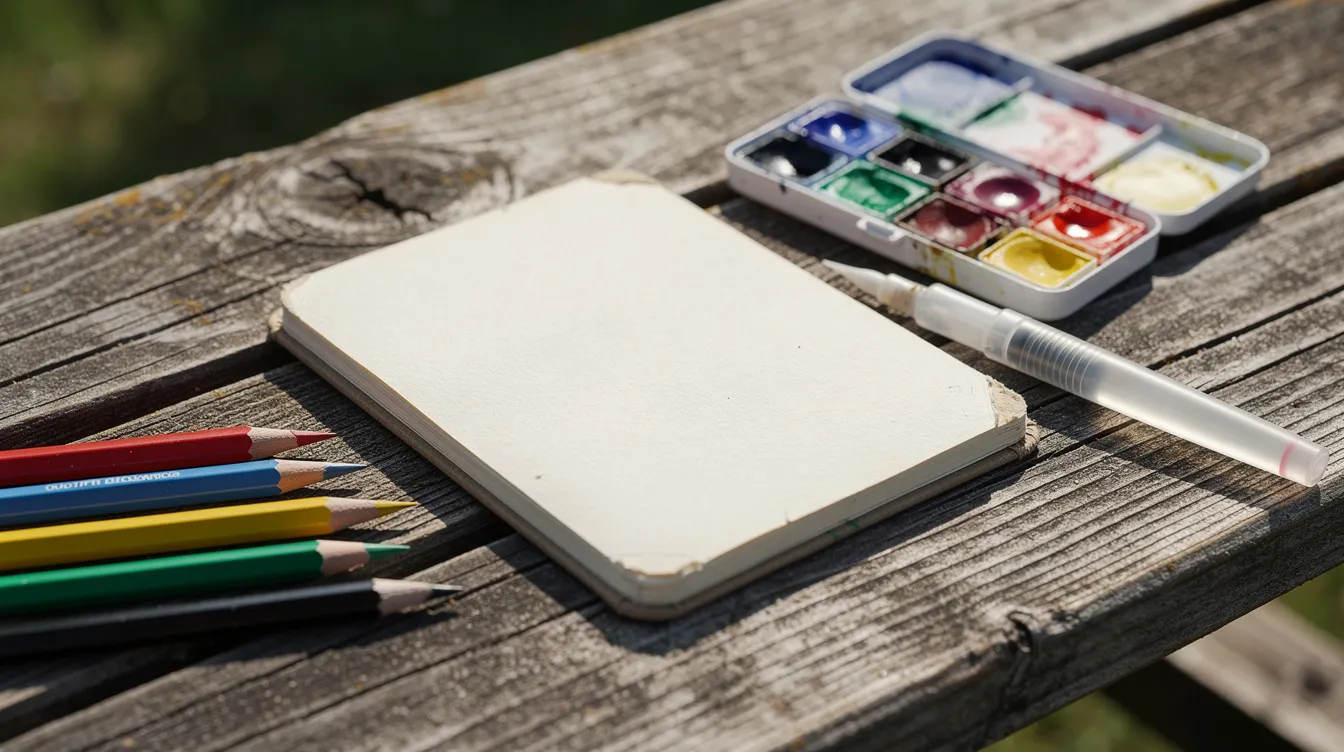
I am a rural mail carrier on a budget, so my kit is small, cheap and a bit battered. I have bought plenty of gear I never used. Here is what actually lives in the glovebox:
-
An A5 hardback sketchbook with paper thick enough for a light wash
-
Two mechanical pencils (HB and 2B)
-
A fine black pen that does not smudge when dry
-
A tiny colored pencils roll with basic greens and browns
-
A pocket watercolor palette and a waterbrush
-
A bulldog clip to hold pages in the wind
It all fits beside my delivery scanner and snacks, so I can grab it on a five-minute roadside stop.
Spiral notebooks lie flat but stitched ones are lighter and more durable. Smooth paper shows detail; toothy paper takes watercolor washes better. My strongest advice is to buy a cheap notebook on purpose, because fear of ruining a nice one stops more people than the materials do.
I began with colored pencil only because it is forgiving. Layer light colors first, keep darks for the end. Watercolor came later and I would not rush it. If you want to add paint eventually, choose paper marked for mixed media. You can also collect leaves or petals to tape into your journal for color reference. When you feel ready for paint, I wrote about journaling with watercolor in a separate post.
Start with whatever is in the house. A school exercise book and a pencil are enough for the first month. Add one tool at a time as the habit sticks.
What To Record In Your Nature Journal
I treat each page as a small conversation with the place I am in, using words, pictures and numbers. Nature journaling can create a meaningful personal record of observations, and you can use it to connect everyday experiences with the environment.
Here are the “big three” I try to include:
-
Observations: what I see, hear, smell. The date the first tui appeared in the flax by a particular letterbox. How many swallows skim a paddock during lambing in August.
-
Questions: what I am curious about. Engaging in nature journaling often leads to asking questions. “Why is the bark cracked only on the south side?”
-
Connections: memories, patterns, feelings. “This kowhai smells like the one outside Nan’s kitchen.”
Add weather notes, rough maps, tiny seasonal calendars and quick measurements like leaf length or cloud cover. Recording metadata enhances the context of your entries. Nature journaling can help track seasonal changes over time, and dating everything is essential, because a year later you can compare when things happened.
Record weeds in a car park, moss on a letterbox or a feather from a supermarket lot, not just pretty scenery. If you do not know what something is, write “unknown,” describe it closely and look it up later. The description you wrote on the spot often helps you identify it.
Nature Journal Prompts For Busy Days
On workdays I sometimes have only three minutes between mailboxes, so I rely on simple prompts. Nature journaling is a creative and playful practice, and even micro-sessions build understanding over time. Journaling outdoors also promotes mindfulness and helps reduce digital distractions, which is reason enough to try it on a lunch break.
-
Draw the smallest thing you can see from where you are.
-
List five colors in one square metre.
-
Fill half a page with different leaf edges.
-
Write three questions about the sky right now.
-
Make a sound map: sit still, listen for two minutes, and mark each sound on the page where you hear it coming from.
-
Sketch the same tree or hedge each month and watch it change.
-
Close your eyes and draw a plant from childhood from memory, then write two or three lines about it.
Prompts like “I notice,” “I wonder” and “it reminds me” can help when the page feels blank. These work in a garden, at a city bus stop or on an office lunch break. Keep a running list on the inside cover for rushed or tired days. Getting drawn into nature starts with slowing down enough to notice things, and drawing is what slows me down.
Learning From Naturalists: John Muir and John Muir Laws
I discovered John Muir’s writing while looking for help with my clumsy fern drawings, and later found the teaching of John Muir Laws. John Muir was a 19th-century naturalist whose journals helped protect wild places in North America. His words published over a century ago still encourage students and hobbyists to observe closely and write what they see. Rachel Carson, another naturalist, showed that careful observation and clear writing could change how a whole generation understood the world.
Notable figures like Charles Darwin also kept nature journals. Charles Darwin’s field journal documented his observations in the Galapagos and shaped our understanding of life on earth. Fiona Gillogly created over 2,000 journal pages since 2016, proving that deliberate practice and consistency matter more than talent.
Laws, a modern educator, teaches that words, pictures and numbers help you notice more and remember better. The practice is older than any hobby trend. Joseph Grinnell, who ran the Museum of Vertebrate Zoology at Berkeley, taught students record their observations in a dated journal with location, weather and habitat details. I am no scientist, but writing down the when and where is what gives a journal lasting value. I read this overview of Joseph Grinnell when I first came across his field notes, and it was a useful starting point.
Compassionate attention means taking time to really look at another living thing, whether a kahikatea tree or a city pigeon, and letting that attention grow into care. Studying their pages helped me accept messy handwriting, unfinished sketches and lots of questions on my own.
Seasonal Pages From My New Zealand Route
Running the same mail route year after year taught me to notice seasonal rhythms and repeat them in my journal.
-
Spring: September lambs in paddocks near Brightwater, first kowhai blossoms, noisy silvereyes in the hedges, muddy tyre tracks drawn in simple lines. The beauty of spring is how fast things change.
-
Summer: January cicada shells stuck to fence posts, dry grass layered in colored pencils, a quick note on how dust tastes at the back of my throat.
-
Autumn: Late fog over the Waimea River, fallen plane leaves sketched in colored pencil, notes on changing light during deliveries. I hear fewer birds and the silence is worth recording too.
-
Winter: July frost scribbled in blue pencil, breath clouds in front of a streetlamp, a pied shag on a cold river piling with a few numbers on time and tide.
Pick one spot you visit often, a bus stop or front step, and make four seasonal spreads there across a year. The wonder is in the repetition: you discover things in familiar places that surprise you.
Keeping Your Practice Gentle and Sustainable
I miss days, weeks and once a full month in my journal, and that is normal. The joy of this practice is that it waits for you.
-
Leave the journal where you actually live your life: glovebox, handbag, by the kettle.
-
Set tiny rituals, such as one sketch while the jug boils.
-
Aim for one page a week. That is enough to develop real skill over a year.
-
No catching up, no guilt pages, and never tear out the bad ones. They are part of the record.
Here are the mistakes I made so you can skip them: I bought a big expensive hardback that sat unused because every page felt too precious. I tried to draw whole scenes and gave up for a fortnight. I did not date my early pages, so some drawings are now mysteries. Small subject, cheap notebook and a date on every page fixed almost everything.
I sketch plants where they grow rather than picking them. Taking plants from public conservation land in New Zealand generally needs permission from the Department of Conservation, so check the rules if you are heading into the bush. Photographing a specimen and drawing from the photo at home works well too.
Fern and Pencil is just my hobby blog, not a course or a club. I am learning alongside readers, not speaking as a professional artist or teacher. A handful of honest pages each season can change how you see your familiar places, and that is enough.
Closing: Why Fern and Pencil Exists
Looking back through six years of glovebox journals, including my embarrassing first pages, I can see that improvement comes from repetition rather than talent. I write Fern and Pencil to share what I have learned as a hobbyist, especially for adults, teens, kids and children and families short on time and money but rich in curiosity. Stories from my route are just one way to experience nature on paper. Treat this guide as a gentle map, not strict rules, and let your own journal reflect your life, weather and places. Open a notebook beside a letterbox tomorrow morning and draw the first thing that makes you look twice. That is how every good page starts.
FAQ
Do I need to be good at drawing to try nature journaling? No. The point is paying attention, and plain outlines and written notes count. Drawing improves because you keep doing it, not because of inborn talent. My own early pages are proof. Research shows that even rough sketches improve memory and help you observe more closely.
What is the best notebook for a beginner? A cheap, pocket-sized sketchbook with fairly thick paper. Avoid anything so nice you are afraid to make a mess. If you might use light watercolor later, choose paper marked for mixed media or watercolor. Access to fancy supplies is not what matters.
How often should I journal? As often as it stays fun and enjoyable. I manage a few short sessions a week, mostly on my lunch break, but one page a week is a perfectly good rhythm. Creativity grows from consistency, not marathon sessions.
Can I journal if I live in a city? Yes. Pavement weeds, street trees, pigeons, moss on a wall and the sky are all fair subjects. A backyard or single window view gives years of material. Poetry can come from a crack in the concrete just as easily as from a forest.
Should I identify every plant or bird I draw? Not at first. Write “unknown,” describe it and look it up later with a field guide or local group. The description you wrote on the spot often helps you learn what it was, and the ideas you had while looking at it are worth keeping regardless.